Co-sleeping, or sharing a bed with your child, can be a wonderful way to strengthen the bond between parents and child. It can also make night-time breastfeeding and comforting easier. However, to ensure a safe and secure sleep for both you and your child, there are some important guidelines you should follow.
1. Ensure Plenty of Space
It is essential to have enough space in the bed for both parents and child. A cramped bed can increase the risk of the child being covered by duvets or pillows, which can lead to suffocation. To avoid this:- Use a wide bed so there is plenty of space for everyone.
- Consider a bed solution where the child has their own sleeping area next to the parents’ bed, such as a bedside crib or a co-sleeper.
2. Keep the Sleeping Environment Free of Loose Objects
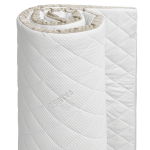
Make sure that the child cannot be covered by duvets, pillows or other loose objects. These can pose a suffocation risk. To ensure this:- Use a firm, flat mattress without soft pillows or loose duvets.
- Place the child on their back to sleep, with nothing over their head.
- Use a sleeping bag or a light blanket instead of a loose duvet.
3. Uniform Sleeping Surface
A uniform and firm sleeping surface is important to minimise the risk of the child sinking into the mattress and potentially being suffocated. Choose a firm mattress and avoid soft surfaces such as water mattresses or soft mattress toppers.4. Avoid Overheating
It is important to avoid the child becoming overheated, as this can increase the risk of cot death (SIDS). To prevent overheating:- Dress the child in light, breathable clothing.
- Keep the room at a comfortable, cool temperature.
- Avoid excessive blankets and duvets.