A family bed can be the setting for many peaceful nights, but at some point your child may become curious about having a bed of their own. The move doesn't have to mean leaving that sense of security behind. Instead, it can gradually expand your child's world, keeping you close while making room for more independence. The important thing isn't reaching a certain age, but finding a pace that works for your child and the rest of the family.
Some children make the first move themselves. Others need small trial runs, clear routines and the option to return. Both are completely natural. Sleep can also be affected by illness, developmental stages, starting nursery and other changes, so your child's needs may shift along the way.
When do children typically want a bed of their own?
There is no single age at which every child is ready. You can often see the desire in their behaviour. They may start talking about having their own room, show an interest in other children's beds or want more space at night. Some children try settling down somewhere else of their own accord. Others say they want their own bed, only to return to the family bed when the lights go out.
A child and their parents having a calm conversation about moving from a family bed to the child's own bed
Look for a combination of curiosity, calmness and repeated requests. One comment doesn't need to trigger a big change that same evening. Instead, ask an open question: What would you like your new sleeping space to be like? Your child's answer may reveal whether the wish comes from wanting more independence, more space or simply the chance to try something new.
Make the transition gentle and manageable
A calm transition often involves small, reversible steps. Knowing they can ask for help or come back makes the experience feel less daunting. Agree in advance what you will do if your child wakes up, becomes unsettled or misses you.
Talk about it during the day. The conversation is easier when no one is tired and bedtime does not feel just around the corner.
Get your child involved. They can choose the sheet, cuddly toy or night light, or decide the order of their familiar bedtime routine.
Start with short trial runs. Try the new sleeping space for a nap, some quiet time or the first part of the night.
Keep familiar routines in place. Use the same bedtime story, song and way of saying goodnight as you did in the family bed.
Reflect without judgement. The next day, talk about what felt good and what your child would like to change next time.
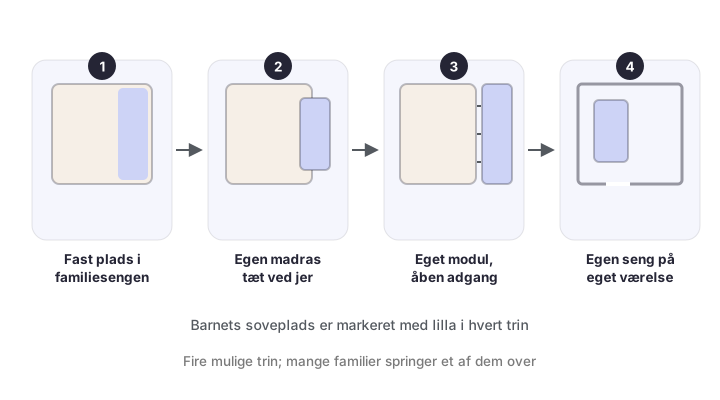
Four possible steps in a gentle transition from a family bed to a child's own bed
Take it step by step instead of making an abrupt change
The transition does not have to mean going straight from the family bed to sleeping behind a closed door in another room. Your child could begin with their own clearly defined, consistent place in the family bed. The next step might be a separate sleeping space right beside it. Later, that space could be moved further away or into your child's room, while an adult continues to stay with them at bedtime.
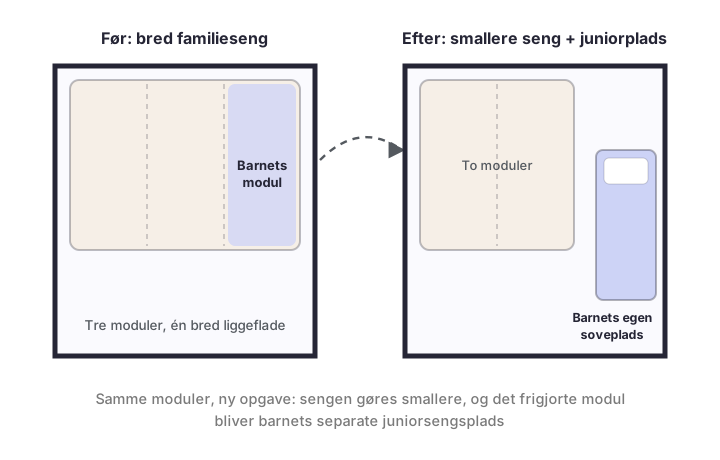
This is where a modular solution becomes practical. As your family's needs change, the family bed can shrink with you. Depending on your particular setup, a module no longer needed in the family bed can become your child's sleeping space in a junior bed. That way, your child takes something familiar with them while your bed becomes narrower. It also means the bed, mattress and bedtime routine do not necessarily all have to change at once.
Modular family bed becoming smaller as one module becomes the child's own sleeping space
When your child comes back
Returning to the family bed does not mean the attempt has failed. Your child may be ready for their own bed on some nights and need extra closeness on others, especially during illness or major changes. Agree on a simple plan so everyone knows what will happen, without lengthy negotiations in the middle of the night.
Welcome your child back calmly if that's what you've agreed.
Walk your child back to their new bed if staying with them there works better.
Don't let one unsettled night turn into a final decision.
Change one thing at a time so your child can understand the change.
Safely adapt the bed for the next stage
When changing the bed configuration, check the joints, stability, differences in height and any potential gaps. Always follow the instructions for the specific components. Before reconfiguring the bed, read more about family bed safety, standards and testing. If you've created a setup using existing beds, the FamBed DIY extension kit with height-adjustable legs and a bed bridge may be suitable.
The aim is not for your child to prove that they can sleep alone. It is to create a new, secure sleeping space that they can gradually settle into. Follow your child's cues, keep the familiar routines and let the bed adapt as your family grows and changes. This can make the transition from the family bed to their own bed feel like a calm next chapter rather than a sudden break.



 Co-sleeping: discussion, tips, tricks and guides
